


 "Orlan chose Mona Lisa, Botticelli's Venus, Diana, Psyche and Europa as the icons from which to compose her new identity as a woman because she loved their images. She did not want to resemble them visually, but she admired and wanted to associate herself with the qualites of their character - androgyny, carnal beauty, temerity and aggressivity, fragility and vunerability and fascination by adventure and the future. To Orlan, her female icons were (homosexual) love objects she could not personally know, but who have certainly played a part in the ongoing construction of her identity as a woman."
Kate Ince, 2000
“In encountering Cindy Sherman’s film stills, rather than feeling closer to knowing who they ‘really’ are, we are made aware of the impossibility of grasping this essence – and thus of there being an essence to the subject at all (much less one that can be transparently rendered or represented).” (Jones, 2006, p.165)


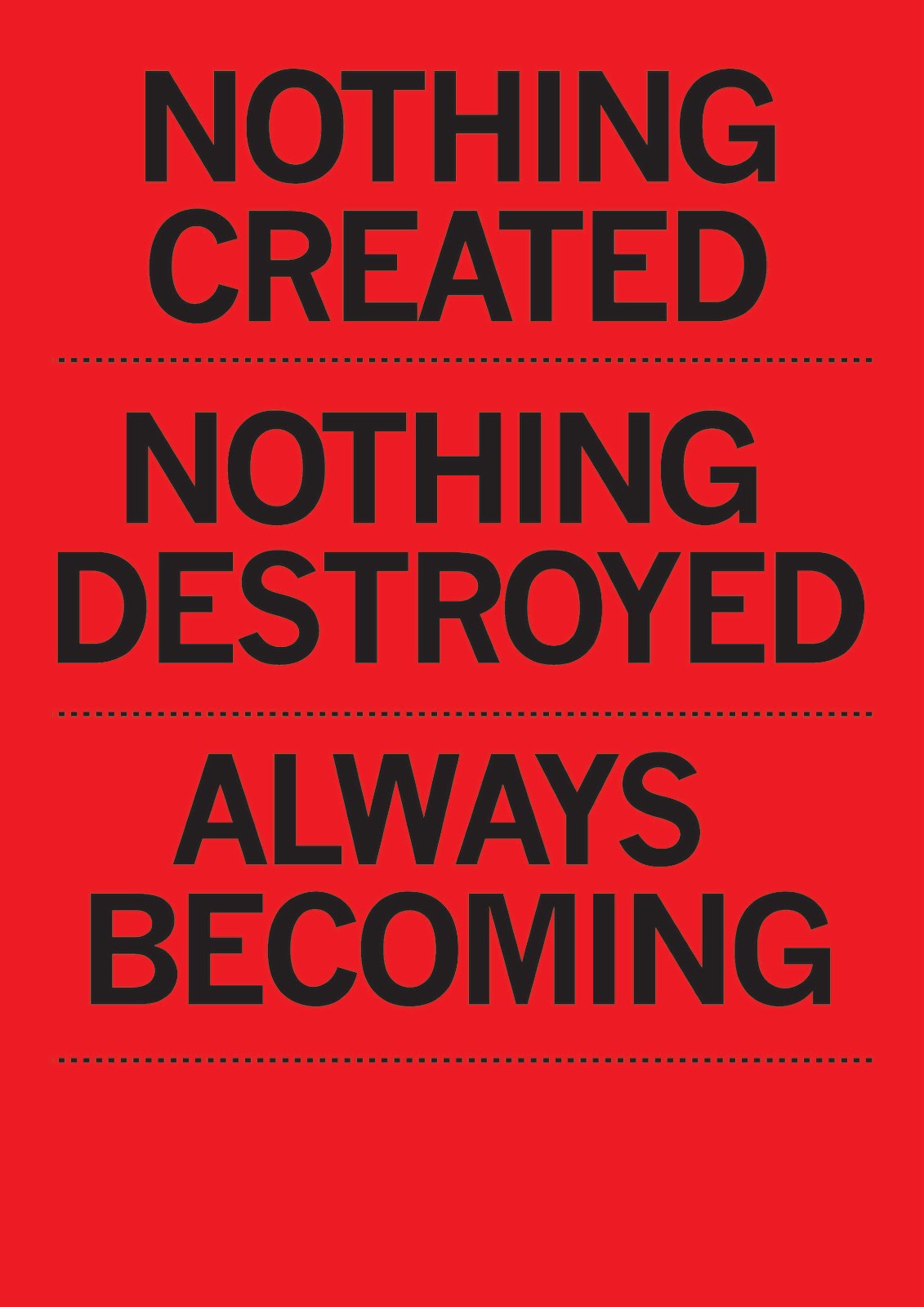
"Mark Titchner's work is about belief, a recognition perhaps that the human spirit has infinite potential but is for the most part making do in a crappy world"
Titchner's work deals with the questions of identity, human nature and the unlikable aspects of our personality. He deconstructs, or destroys, our understanding of the things around us. His ideas are infectious, they began to tear away at the stability of the mind and make us question the topics he presents. But can an idea really cause irreparable damage?
What has the power to destroy the human mind?

Subscribe to:
Comments (Atom)

